Performance Radiator Buying Guide: Everything You Need to Know
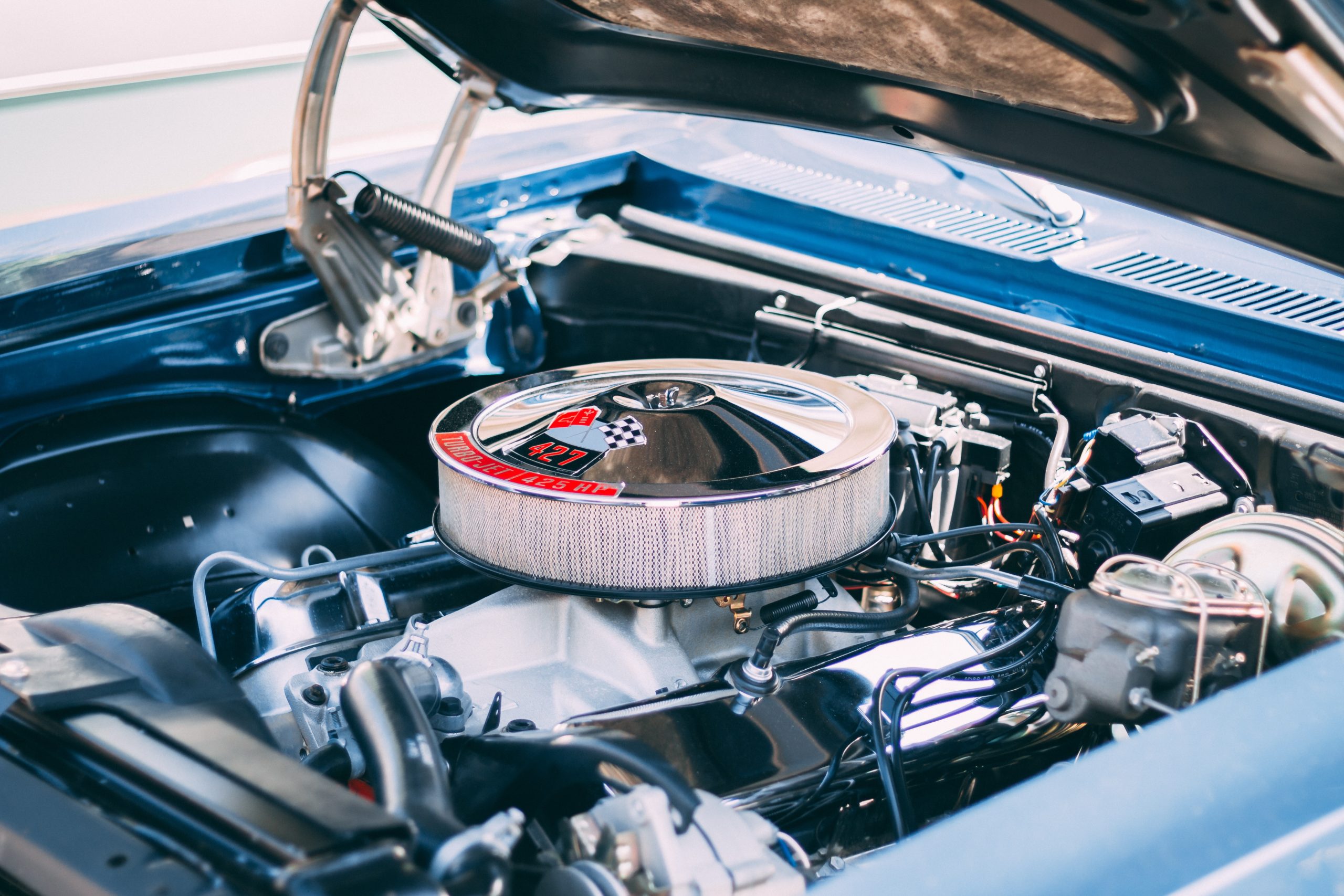
More horsepower means more heat. It's a simple equation of physics — every bit of fuel your engine burns generates heat, and that heat has to go somewhere. If your radiator can't dissipate it fast enough, your engine overheats, power drops, and in the worst case, you're looking at a rebuild.
Whether you're building a street machine, a track car, or a tow rig, choosing the right performance radiator is essential. This guide covers everything you need to know to make the right choice.
Understanding Radiator Cooling Capacity
A radiator's cooling capacity is determined by several factors:
- Core thickness — thicker cores have more tube surface area for heat transfer
- Number of rows — more rows of tubes = more coolant in contact with fins = more cooling
- Fin density — more fins per inch = more surface area for air contact
- Flow design — single-pass vs. dual-pass affects how long coolant spends in the radiator
- Material — all-aluminum construction maximizes heat transfer and durability
- Airflow — even the best radiator fails without adequate airflow (fan and shroud)
Let's break down each of these factors.
Core Types: 2-Row, 3-Row, and 4-Row
The number of rows refers to how many layers of tubes run vertically through the core. More rows mean more cooling capacity, but also more restriction to airflow:
2-Row Radiators
- Best for: stock engines, mild street builds, daily drivers
- Cooling capacity: up to ~400 horsepower
- Airflow: excellent (minimal restriction)
- Weight: lightest option
3-Row Radiators
- Best for: moderate performance builds, big-block street engines, hot climates
- Cooling capacity: up to ~600 horsepower
- Airflow: good
- Weight: moderate
4-Row Radiators
- Best for: high-horsepower builds, racing, heavy towing, extreme conditions
- Cooling capacity: 600+ horsepower
- Airflow: reduced (requires strong fan)
- Weight: heaviest option
Important: More rows isn't always better. A 4-row radiator with a weak fan can actually cool worse than a 2-row with a strong fan, because the thicker core restricts airflow. Always pair your radiator with an adequate electric fan and fan shroud.
Dual-Pass Radiators: The Performance Upgrade
A dual-pass radiator routes coolant through the core twice before returning it to the engine. This doubles the time the coolant spends in the radiator, significantly increasing heat dissipation.
Advantages of Dual-Pass:
- Up to 30% more cooling capacity than a single-pass radiator of the same size
- More compact than increasing core thickness
- Ideal for high-horsepower applications where space is limited
- Consistent coolant temperature across the core
When to Choose Dual-Pass:
- Engines producing 500+ horsepower
- Track and autocross cars that see sustained high RPM
- Towing and heavy-duty applications
- Vehicles with limited radiator opening size (e.g., Mustangs, Camaros)
Sizing a Radiator for Your Power Level
Here's a general guide to radiator sizing based on engine output:
| Horsepower | Recommended Core | Notes |
|---|---|---|
| Up to 300 HP | 2-row | Stock replacement is usually fine |
| 300-450 HP | 2-row or 3-row | 3-row recommended for hot climates |
| 450-600 HP | 3-row | Pair with high-CFM electric fan |
| 600-800 HP | 4-row or dual-pass | Dual-pass preferred if space is limited |
| 800+ HP | Dual-pass 4-row | Consider dual fans and a high-flow water pump |
These are general guidelines. Actual cooling requirements depend on engine compression, ambient temperature, driving style, and vehicle aerodynamics. When in doubt, go one step up.
The Critical Role of Airflow
A radiator is only as good as the air moving through it. Even the most expensive 4-row dual-pass radiator will overheat your engine if airflow is inadequate.
Mechanical vs. Electric Fans
Most performance builds switch from mechanical (engine-driven) fans to electric fans. Benefits include:
- Consistent airflow at all engine speeds (critical at idle)
- Reduced parasitic power loss (no fan dragging on the engine)
- More precise temperature control with thermostatic switches
- Quieter operation
Fan Shrouds: Not Optional
A fan shroud is essential for proper cooling. Without a shroud, the fan only pulls air from the area directly in front of the blades — typically 30-40% of the core surface area. A properly fitted shroud ensures the fan pulls air through the entire core.
We offer fan shrouds designed to match specific radiator models, with mounts for one or two electric fans.
Sizing Your Electric Fan
Electric fans are rated in CFM (cubic feet per minute). As a rule of thumb:
- Up to 400 HP: 2,000-2,500 CFM (single fan)
- 400-600 HP: 3,000-3,500 CFM (dual fans or single high-output)
- 600+ HP: 4,000+ CFM (dual high-output fans)
Always use a relay kit to handle the fan's electrical load. See our electric fan selection for options.
Coolant and Water Pump Considerations
Coolant
For aluminum radiators, use a modern OAT (Organic Acid Technology) or HOAT (Hybrid OAT) coolant. Avoid old-school green silicated coolant, which can cause deposits and reduce heat transfer in aluminum systems.
Water Pump
A high-flow water pump moves coolant through the system faster, which can improve cooling — but only up to a point. Too much flow can actually reduce cooling by not giving the coolant enough time in the radiator to shed heat. For most applications, a quality stock-replacement or mild high-flow pump is sufficient.
Do You Need a Transmission Cooler?
If you have an automatic transmission, the answer is almost certainly yes — especially for performance applications. Most performance radiators include a built-in transmission cooler in the end tank. For extreme applications (drag racing, towing), consider an additional external transmission cooler in series with the radiator cooler.
Frequently Asked Questions
What's the best radiator for a high-horsepower street car?
For most street cars in the 400-600 HP range, a 3-row all-aluminum radiator with a dual electric fan setup and proper shroud is the ideal combination. It provides excellent cooling capacity without excessive weight or airflow restriction.
Is a dual-pass radiator worth it?
If you're making over 500 horsepower or running in hot climates, yes. A dual-pass radiator provides up to 30% more cooling capacity in the same physical footprint as a single-pass unit. For lower power levels, a standard 3-row is usually sufficient.
How do I know what size electric fan I need?
Match your fan's CFM rating to your horsepower: 2,000-2,500 CFM for up to 400 HP, 3,000-3,500 CFM for 400-600 HP, and 4,000+ CFM for 600+ HP. Always use a fan shroud and relay kit.
Can I use a bigger radiator than my engine needs?
Yes, but there are diminishing returns. A radiator that's too large adds weight and can actually cool too efficiently, preventing the engine from reaching optimal operating temperature. Match the radiator to your power level for best results.
Build It Right the First Time
Cooling is not the place to cut corners on a performance build. A quality radiator, properly sized and paired with the right fan and shroud, will keep your engine running at peak performance for years. Browse our performance radiators and electric fans, or contact us for personalized recommendations.
New to performance cooling? Start with our classic car radiator guide and our comparison of aluminum vs copper radiators.