Aluminum vs Copper Radiators: Which Is Better for Your Car?
If you're shopping for a replacement radiator, you've probably noticed that the market has shifted almost entirely toward aluminum. But why? Copper and brass radiators served the automotive industry for decades, and many older vehicles came with them from the factory. In this guide, we'll break down the real differences between aluminum and copper radiators so you can make an informed decision for your vehicle.
The Short Answer
For the vast majority of vehicles — especially classic cars, muscle cars, and performance builds — an all-aluminum radiator is the better choice. Aluminum radiators offer superior durability, better weight savings, and comparable or better cooling performance. They also come with lifetime warranties, something you'll rarely find with copper radiators.
That said, copper radiators still have a few niche advantages. Let's look at each factor in detail.
Heat Transfer: The Surprising Truth
Here's something that confuses a lot of people: copper actually conducts heat better than aluminum. Copper has a thermal conductivity of about 401 W/m·K, while aluminum is around 237 W/m·K. So copper should be better at transferring heat, right?
Not exactly. The key factor isn't just the raw material conductivity — it's the overall design and construction of the radiator. Here's why aluminum radiators often outperform copper ones in practice:
- Tube size — Aluminum radiator tubes are typically wider (1-1.5 inches) than copper tubes (0.5 inches). Wider tubes mean more coolant is in contact with the fin surface, improving heat transfer.
- Fin density — Aluminum radiators can be manufactured with more fins per inch, increasing the total surface area for heat dissipation.
- Solder vs. welding — Copper radiators use solder to join the tubes to the fins, and solder is a poor thermal conductor. Aluminum radiators are brazed or welded, creating a direct metal-to-metal bond with no thermal barrier.
The result is that a well-designed aluminum radiator can match or exceed the cooling performance of a copper radiator, despite copper's higher raw conductivity. The construction method matters more than the material itself.
Weight: Aluminum Wins Big
Aluminum is about 30% lighter than copper by volume, and the construction differences make the gap even wider. A typical all-aluminum radiator weighs 30-40% less than an equivalent copper and brass radiator.
For a classic car or performance vehicle, this weight savings is significant. A lighter radiator:
- Reduces front-end weight, improving handling and balance
- Frees up weight budget for other performance upgrades
- Makes installation easier — one person can handle an aluminum radiator without a helper
For a race car, every pound matters. For a street car, the weight savings won't transform your vehicle, but it's a nice bonus on top of the other advantages.
Durability: No Contest
This is where aluminum radiators really separate themselves from copper. The durability differences are significant:
Copper and Brass Radiators
- Solder joint failure — the solder that holds copper radiators together is the weakest link. Vibration, thermal cycling, and corrosion all attack these joints over time.
- Corrosion — copper and brass are susceptible to galvanic corrosion, especially when mixed with modern coolants and aluminum engine components.
- Physical damage — copper tubes are softer and more easily damaged by road debris or improper handling.
- Repairability — copper radiators can be repaired by resoldering, but finding a shop that still does this work is increasingly difficult.
All-Aluminum Radiators
- Fully welded construction — no solder joints to fail. The entire radiator is TIG-welded or brazed into a single, solid unit.
- Corrosion resistance — aluminum forms a natural oxide layer that protects against further corrosion. Modern coolants are formulated to work with aluminum.
- Structural integrity — aluminum tubes are stronger and more resistant to physical damage and pressure cycling.
- Lifetime warranty — manufacturers of aluminum radiators (like Champion Cooling Systems) back their products with lifetime warranties because they're confident in the durability.
Cost: It Depends on Your Perspective
Up front, a copper radiator can be cheaper — if you can find one. Many copper radiators are no longer manufactured, and NOS (new old stock) units can be expensive. Recoring an existing copper radiator (replacing the core while reusing the tanks) is an option, but it's labor-intensive and costly.
An all-aluminum radiator is typically priced between $200 and $600, depending on the application. When you factor in:
- The lifetime warranty (no future replacement cost)
- Lower maintenance requirements
- Better cooling performance (potentially preventing engine damage)
- No need for specialized repair shops
...the long-term value of an aluminum radiator is significantly better. See our full selection of aluminum radiators to compare options for your vehicle.
Aesthetics: The Show Car Factor
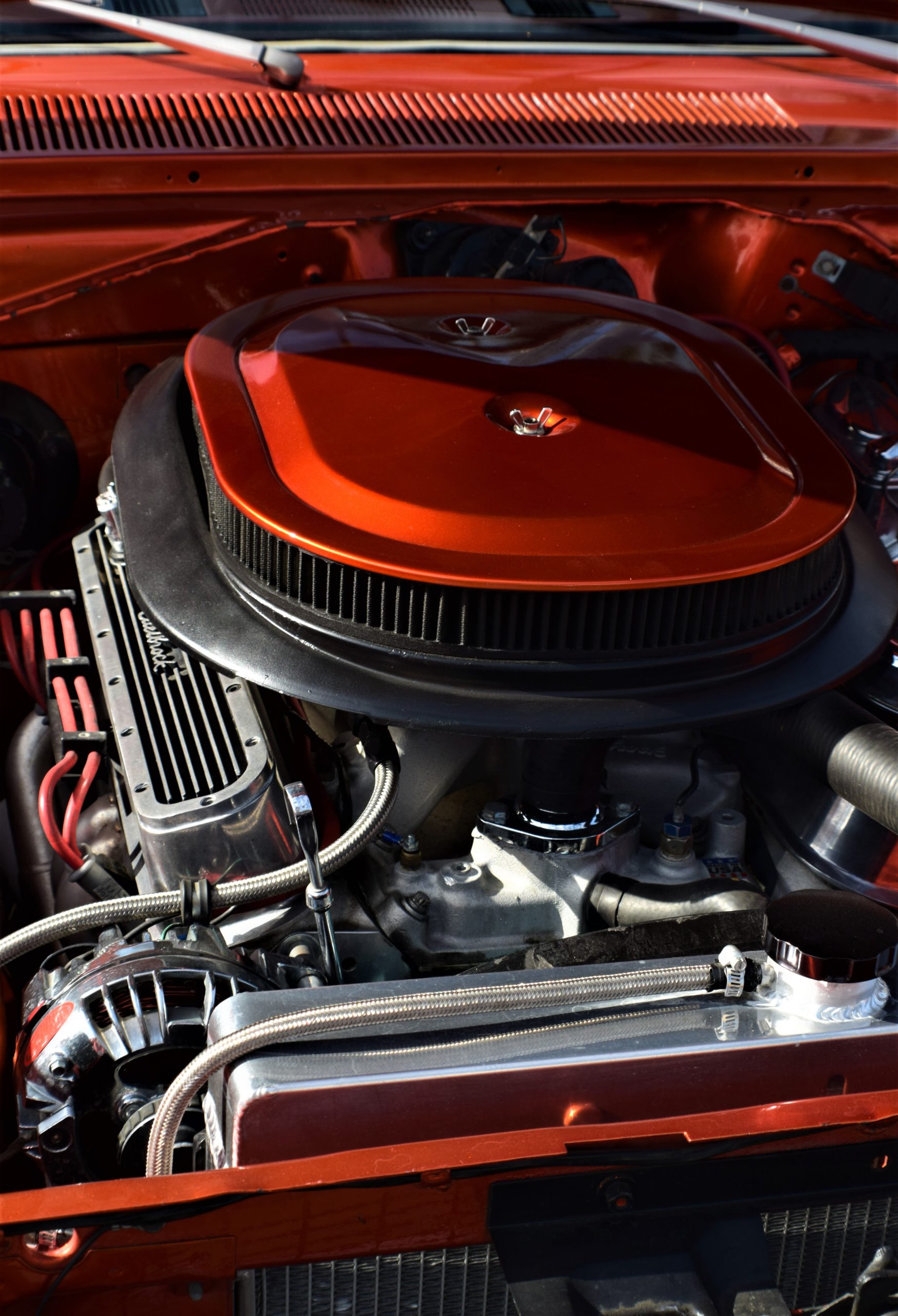
If you're building a show car or want your engine bay to look as good as it performs, aluminum radiators have a clear advantage. They're available in:
- Polished aluminum finish — a clean, modern look that complements any engine bay
- Black finish — a stealthy appearance for a more OEM look
- Consistent manufacturing — CNC-machined and TIG-welded for clean, uniform appearance
Copper radiators have a vintage charm that some purists appreciate, especially for period-correct restorations. But for most builds, the modern look of aluminum is preferred.
When Copper Might Still Make Sense
There are a few situations where a copper radiator might still be the right choice:
- Concours restoration — if you're restoring a vehicle to exact factory specifications for judged shows, a copper radiator may be required for authenticity.
- Repairability in remote areas — if you're in a location where aluminum welding isn't available, a copper radiator can be repaired with basic soldering tools.
- Extreme budget builds — a used or recored copper radiator can sometimes be cheaper than a new aluminum unit.
For everything else, aluminum is the clear winner.
Making the Switch: What to Know
If you're replacing a copper radiator with an aluminum one, there are a few things to keep in mind:
Coolant Compatibility
Modern coolants (OAT and HOAT formulations) are designed for aluminum cooling systems. If you're switching from copper to aluminum, flush the system thoroughly and use fresh coolant. Avoid old-school green silicated coolant, which can damage aluminum.
Grounding
Aluminum is less conductive electrically than copper. Make sure your engine has a good ground strap to the chassis to prevent galvanic corrosion in the cooling system.
Direct Fit
Most quality aluminum radiators are designed as direct-fit replacements — same mounting points, hose connections, and fan shroud compatibility as your original radiator. Use our vehicle lookup tool to find the right fit.
Frequently Asked Questions
Do aluminum radiators cool better than copper?
In practice, yes. While copper has higher raw thermal conductivity, aluminum radiators are constructed with wider tubes, higher fin density, and welded (not soldered) joints. These construction advantages typically result in equal or better cooling performance compared to copper radiators.
How long do aluminum radiators last?
A quality all-aluminum radiator typically lasts 10-15 years or more with proper maintenance. With a lifetime warranty, you may never need to buy another radiator for your vehicle.
Can I mix aluminum and copper components in my cooling system?
It's not recommended. Mixing metals can cause galvanic corrosion. If you're upgrading to an aluminum radiator, it's best to ensure your other cooling system components (heater core, etc.) are also aluminum or compatible.
Are aluminum radiators worth the extra cost?
Yes. The lifetime warranty, superior durability, better cooling, and weight savings make aluminum radiators a better long-term investment than copper. See our performance radiator buying guide for more details on choosing the right one.
The Bottom Line
For classic cars, muscle cars, performance builds, and daily drivers alike, all-aluminum radiators are the modern standard. They offer better durability, lighter weight, comparable or superior cooling, and lifetime warranties that copper radiators simply can't match.
Ready to upgrade? Browse our full selection of radiators and cooling products, or use our vehicle lookup tool to find the perfect fit for your ride. Have questions? Contact us — we've been cooling engines since 1986.