Best Radiator for Classic Cars: A Complete Buyer's Guide
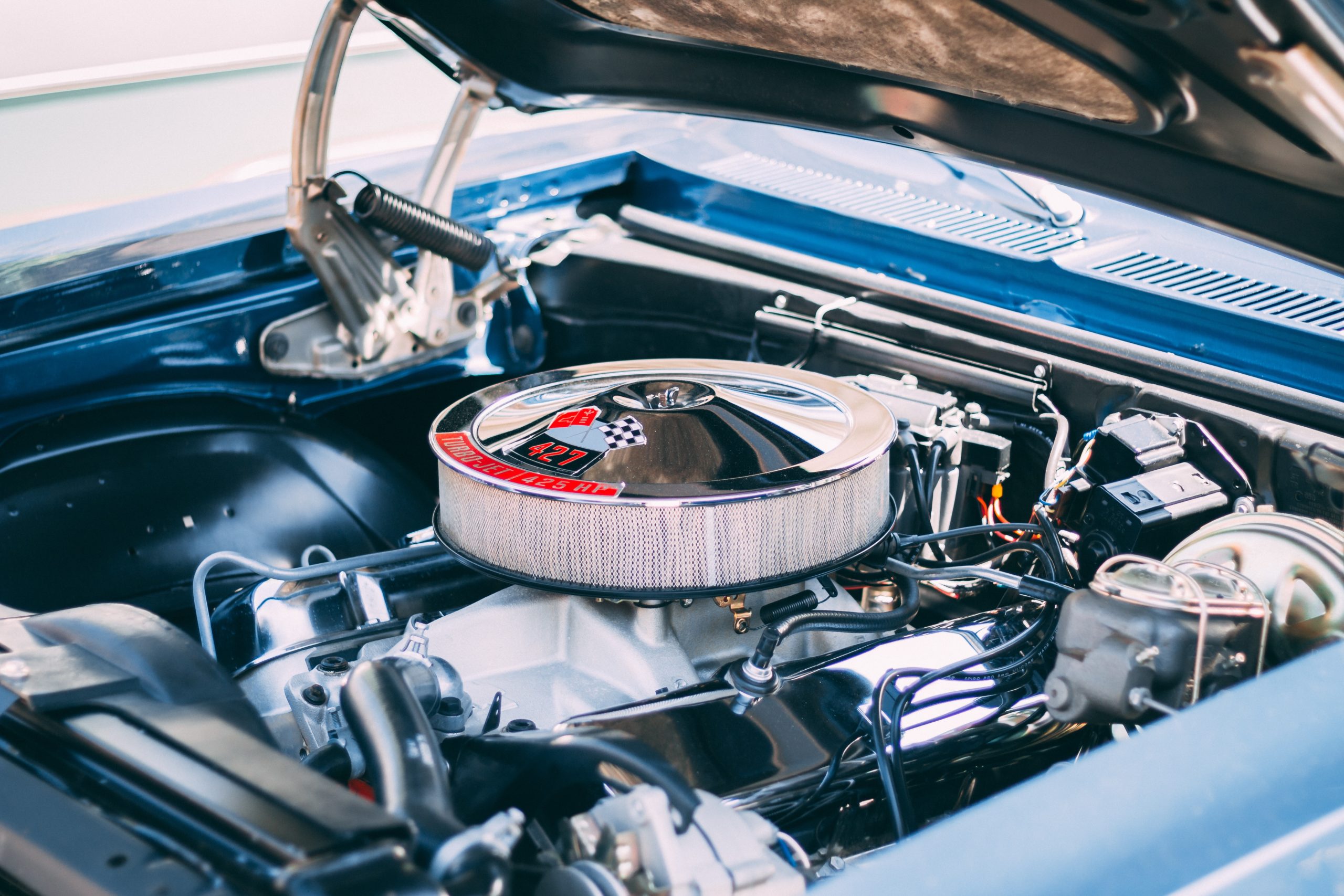
Classic car restoration is a labor of love. You've spent countless hours and dollars getting every detail right — the paint, the interior, the engine. But if you overlook the cooling system, all that work can go up in smoke. An overheating engine can destroy itself in minutes, turning your dream car into a very expensive paperweight.
Choosing the right classic car radiator is one of the most important decisions in any restoration or performance build. This guide covers everything you need to know to make the right choice.
Why Classic Cars Need Better Radiators
Most classic cars came from the factory with copper and brass radiators. These were adequate for the engines of the era, but they have significant limitations:
- Age and deterioration — after 40+ years, original radiators are often corroded, leaking, or internally blocked
- Increased power — many classic cars have been upgraded with bigger engines, higher compression, or forced induction, generating more heat than the original radiator can handle
- Modern driving conditions — stop-and-go traffic, air conditioning, and higher ambient temperatures put more stress on the cooling system than the factory engineers anticipated
- Plastic tank failures — some later classics (1970s-80s) came with plastic-tank radiators that crack and fail with age
Upgrading to a modern all-aluminum radiator is one of the most cost-effective improvements you can make to a classic car. It improves reliability, prevents engine damage, and gives you peace of mind on those long cruises.
Key Factors When Choosing a Classic Car Radiator
1. Material: All-Aluminum Is the Standard
For classic cars, all-aluminum radiators are overwhelmingly the best choice. They offer:
- Superior durability vs. copper/brass (no solder joints to fail)
- Better weight savings (30-40% lighter)
- Modern coolant compatibility
- Lifetime warranty
- A clean, polished appearance that looks great in any engine bay
Read our in-depth comparison: Aluminum vs Copper Radiators: Which Is Better?
2. Core Configuration: How Many Rows Do You Need?
The core is the central part of the radiator where heat transfer happens. More rows of tubes mean more cooling capacity:
- 2-row radiators — sufficient for stock or mildly modified engines. Good for daily drivers and light cruising.
- 3-row radiators — the sweet spot for most classic cars with moderate performance upgrades. Handles higher horsepower and warmer climates.
- 4-row radiators — for high-horsepower builds, big-block engines, or vehicles used in hot climates or heavy-duty applications.
- Dual-pass radiators — coolant passes through the core twice, maximizing heat dissipation. Ideal for racing or extreme performance. Learn more in our performance radiator buying guide.
As a general rule: if you've upgraded your engine, go up one core configuration from stock. A stock small-block that originally had a 2-row can benefit from a 3-row. A built big-block should have a 4-row or dual-pass.
3. Direct Fit vs. Universal
Always choose a direct-fit radiator over a universal one. Direct-fit radiators are designed for specific vehicle applications and use the exact same:
- Mounting points and brackets
- Hose inlet/outlet locations and sizes
- Transmission cooler fittings (if applicable)
- Fan shroud compatibility
Universal radiators require fabrication, custom hoses, and modified mounts — adding cost and complexity. Direct-fit radiators bolt right in. Use our vehicle lookup tool to find a direct-fit radiator for your classic.
4. Transmission Cooler
If your classic car has an automatic transmission, you need a radiator with a built-in transmission cooler. Most direct-fit radiators include this, but always verify. If you have a manual transmission, you can use a radiator without a trans cooler (often listed as "manual transmission" variant).
5. Fan and Shroud Compatibility
Your radiator needs proper airflow to function. Consider:
- Original mechanical fan — make sure the new radiator accommodates your existing fan and shroud. Some aluminum radiators come with a matching fan shroud designed for electric fans.
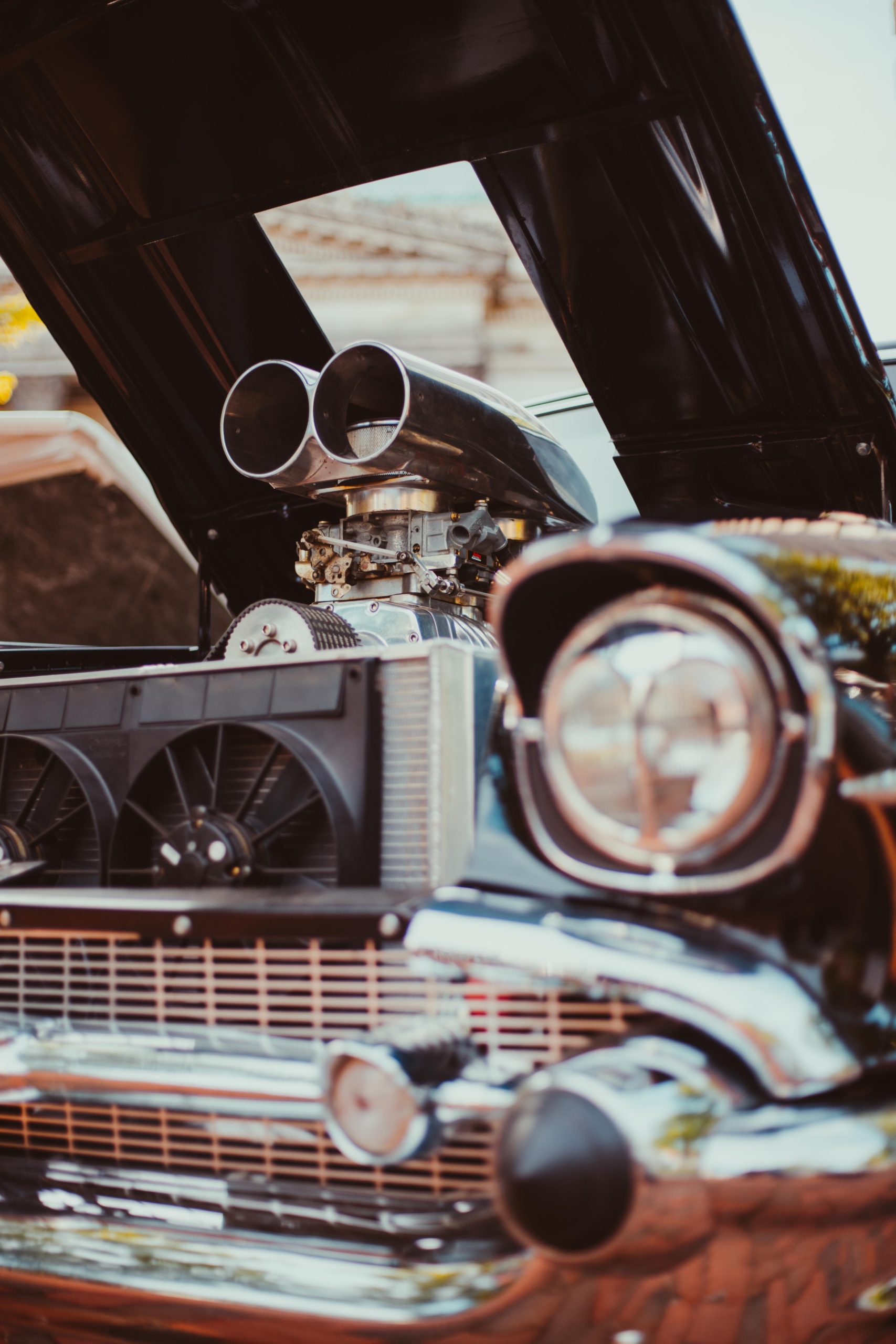
- Electric fan conversion — many classic car owners switch to electric fans for better cooling at idle and reduced parasitic load. If you go this route, you'll need a compatible electric fan and shroud.
- Fan shroud — a proper shroud is essential. Without one, the fan only pulls air from a small area directly in front of the blades, dramatically reducing cooling efficiency.
Popular Classic Car Radiator Applications
Some of the most common classic car radiator applications we see include:
Chevrolet
- Chevy Camaro (1967-1969, 1970-1981) — one of the most popular classic car radiator applications
- Chevy Nova (1962-1979) — shares many cooling components with the Camaro
- Chevy Chevelle (1964-1977) — big-block and small-block applications
- Chevy C10 Truck (1960-1987) — increasingly popular restoration platform
- Chevy Corvette — C1 through C3 generations
Ford
- Ford Mustang (1964-1973) — see our Mustang radiator replacement guide
- Ford F-100 (1953-1979) — classic truck restoration
- Ford Fairlane (1955-1970)
- Ford Bronco (1966-1977) — first-generation Broncos need serious cooling upgrades
Other Classics
- Pontiac GTO, LeMans, and Firebird
- Dodge Charger, Challenger, and Dart
- AMC Javelin and AMX
- El Camino and Chevy pickups
Use our vehicle lookup tool to find the exact radiator for your specific year, make, and model.
Installation Tips for Classic Car Radiators
Installing a direct-fit aluminum radiator in a classic car is typically a straightforward job that can be done in an afternoon with basic hand tools:
- Drain the old coolant — dispose of it properly at a recycling center
- Remove the old radiator — disconnect hoses, trans lines, fan shroud, and mounting bolts
- Clean the mounting area — remove any rust, debris, or old gasket material
- Test-fit the new radiator — verify all mounting points and hose connections line up
- Install new hoses — we recommend replacing upper and lower radiator hoses at the same time
- Fill with fresh coolant — use a modern aluminum-compatible coolant (OAT or HOAT)
- Bleed the system — remove all air pockets by running the engine with the radiator cap off until the thermostat opens
- Check for leaks — let the engine reach operating temperature and inspect all connections
Frequently Asked Questions
What size radiator do I need for my classic car?
The best way to find the right radiator size is to use our vehicle lookup tool and enter your year, make, and model. Direct-fit radiators are designed to match your vehicle's original dimensions and mounting points exactly.
Can I put an aluminum radiator in a car that originally had copper?
Yes, and it's one of the most common upgrades for classic cars. Direct-fit aluminum radiators are designed as drop-in replacements for original copper units. Just flush the system and use aluminum-compatible coolant.
Do I need a transmission cooler in my classic car radiator?
If your car has an automatic transmission, yes. If you have a manual transmission, you can use a radiator without a trans cooler (often available as a "manual" variant at a lower price).
How do I know if my classic car radiator is bad?
Check out our guide on 5 warning signs your radiator needs replacement. The most common symptoms are overheating, coolant leaks, and discolored coolant.
Protect Your Investment
Your classic car is an investment of time, money, and passion. Don't let a $300 radiator failure destroy a $10,000 engine. Upgrading to a quality all-aluminum radiator is one of the smartest things you can do for your classic car.
Browse our aluminum radiators, use our vehicle lookup tool to find your fit, or contact us with any questions. We've been helping classic car enthusiasts keep their engines cool since 1986.